Protected Climbing Routes:
Best Via Ferrata Trails in Slovenia

Everything you need to know about Via Ferrata Routes in the heart of the Slovenian Alps.

Via Ferrata Slovenia

Whether you're taking your first steps on a Via Ferrata for beginners or you're a seasoned climber looking for a new challenge, Slovenia's expansive Via Ferrata Routes offer experiences that are hard to match.

But is Via Ferrata hard? Or have you pondered about how dangerous it is to ascend using a steel cable? Worry not! We provide all the information and guidance you need.

Here, you will find everything you need for an unmatched Via Ferrata experience in Slovenia!

  • Find all information on Via ferrata routes in Slovenia,
  • make a reservation for climbing gear rental,
  • or opt for the expertise of our trained guides if you're hesitant about taking on a Via Ferrata without a guide.

Let's dive into your Slovenian mountain adventure!

What is Via Ferrata?

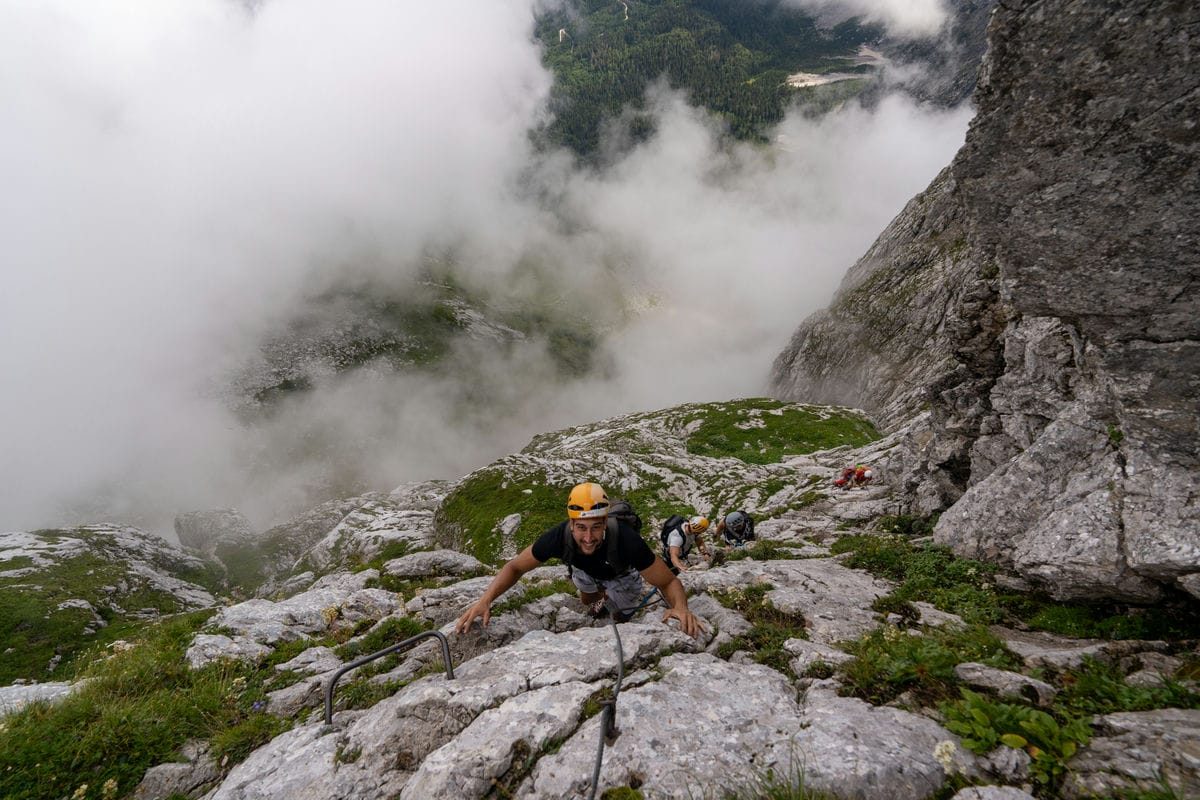
Protected Climbing Routes: exciting way of hiking in the Slovenian Alps

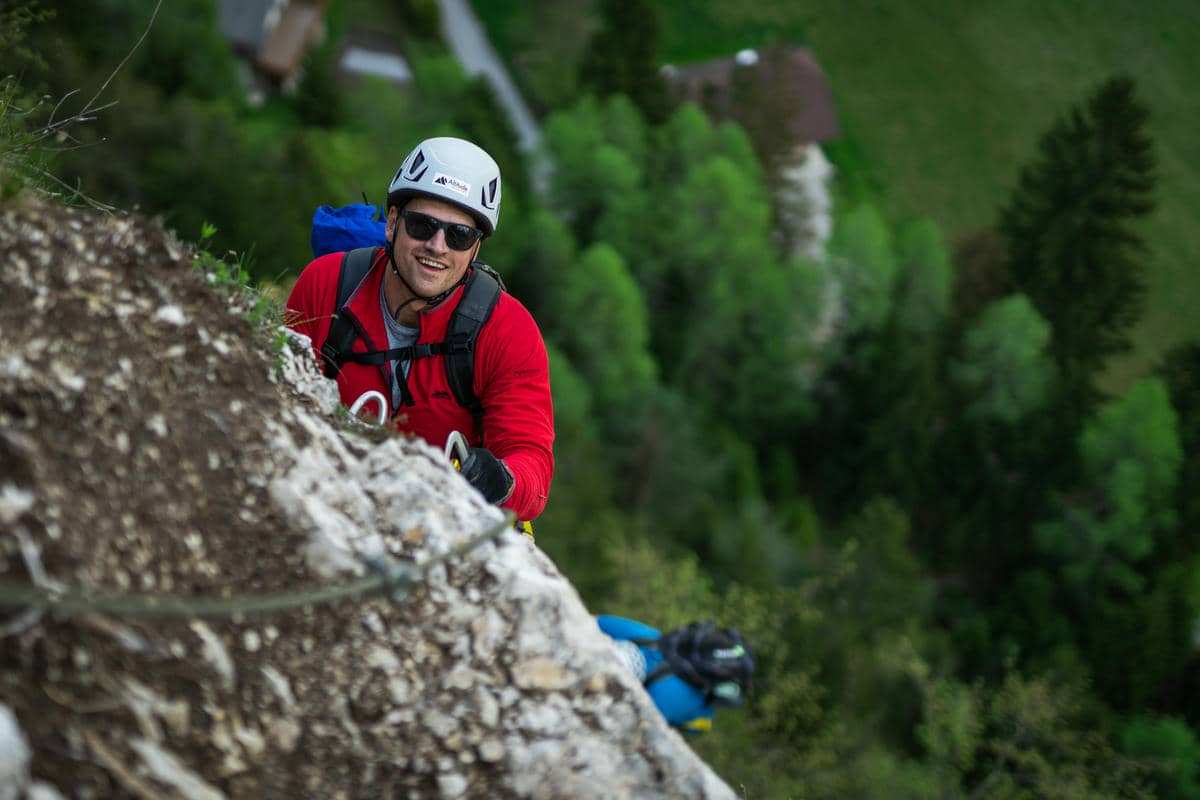
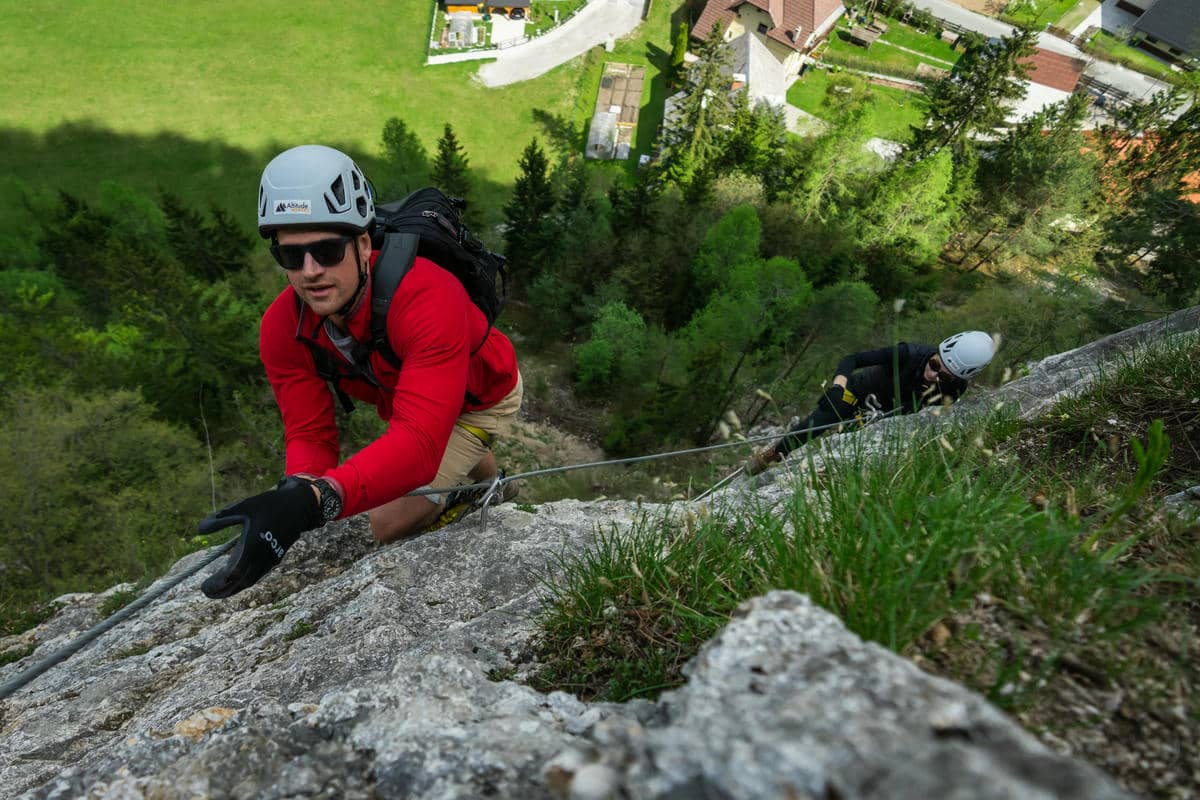
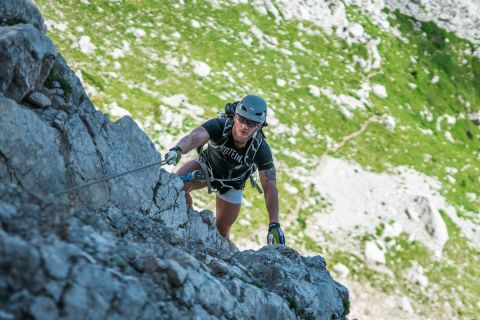
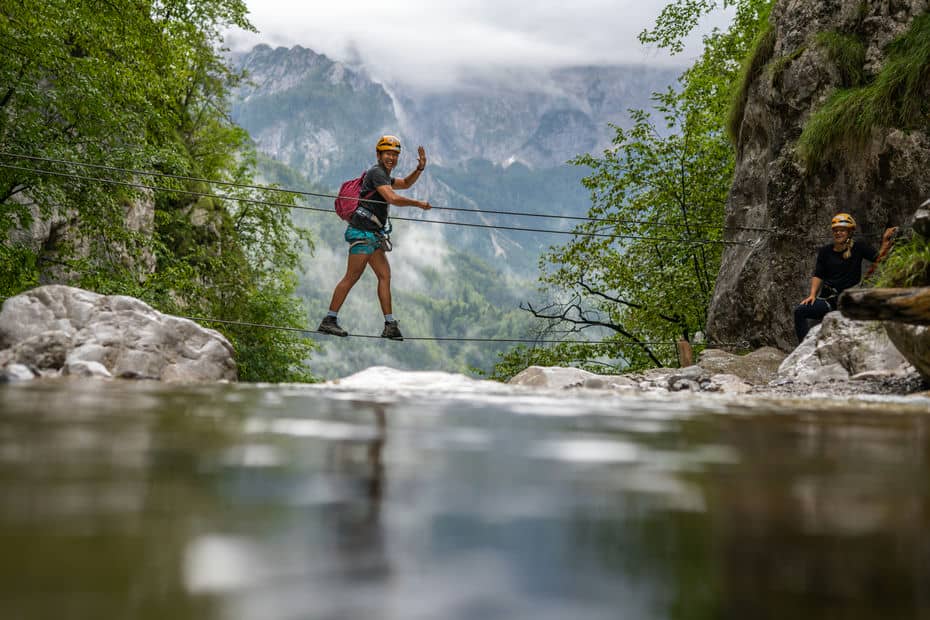
Derived from the Italian term 'Iron Path,' Via Ferrata, or Protected Climbing Route, bridges the excitement of hiking and climbing. Using fixed wire cables and ladders, climbers can ascend peaks that once seemed out of reach.
Via Ferrata Triglav

Important info on Via Ferrata Triglav
Slovenia’s highest peak

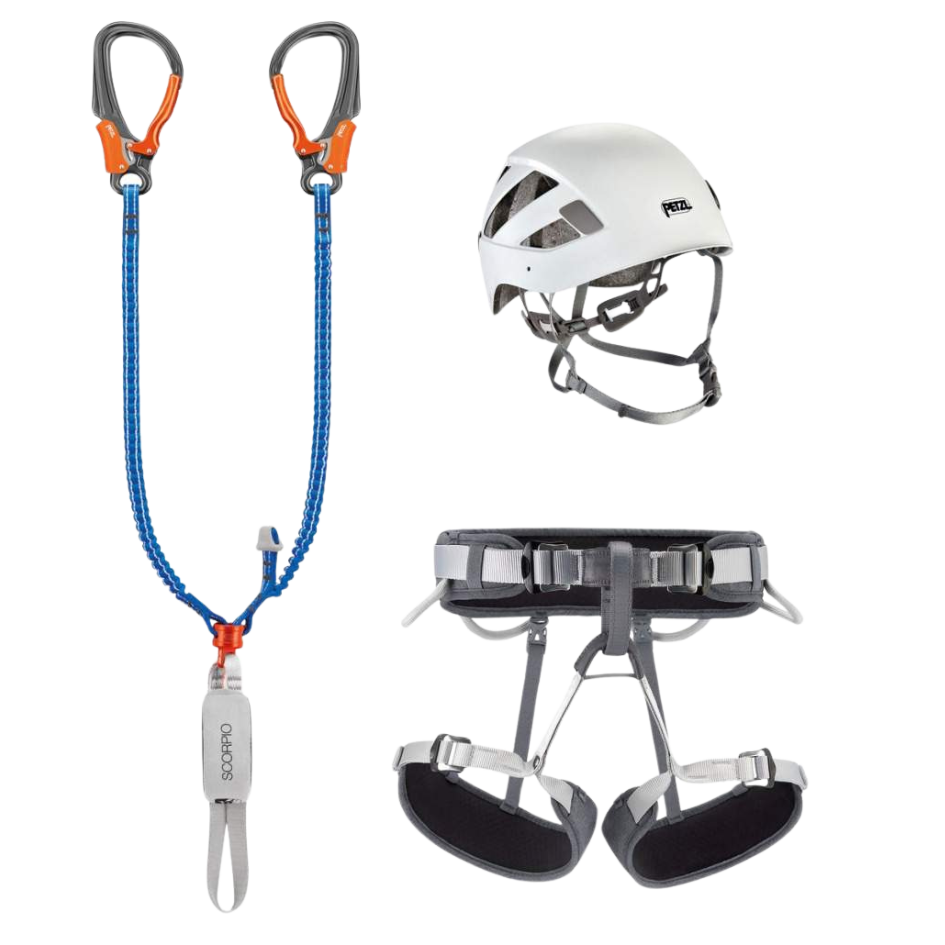
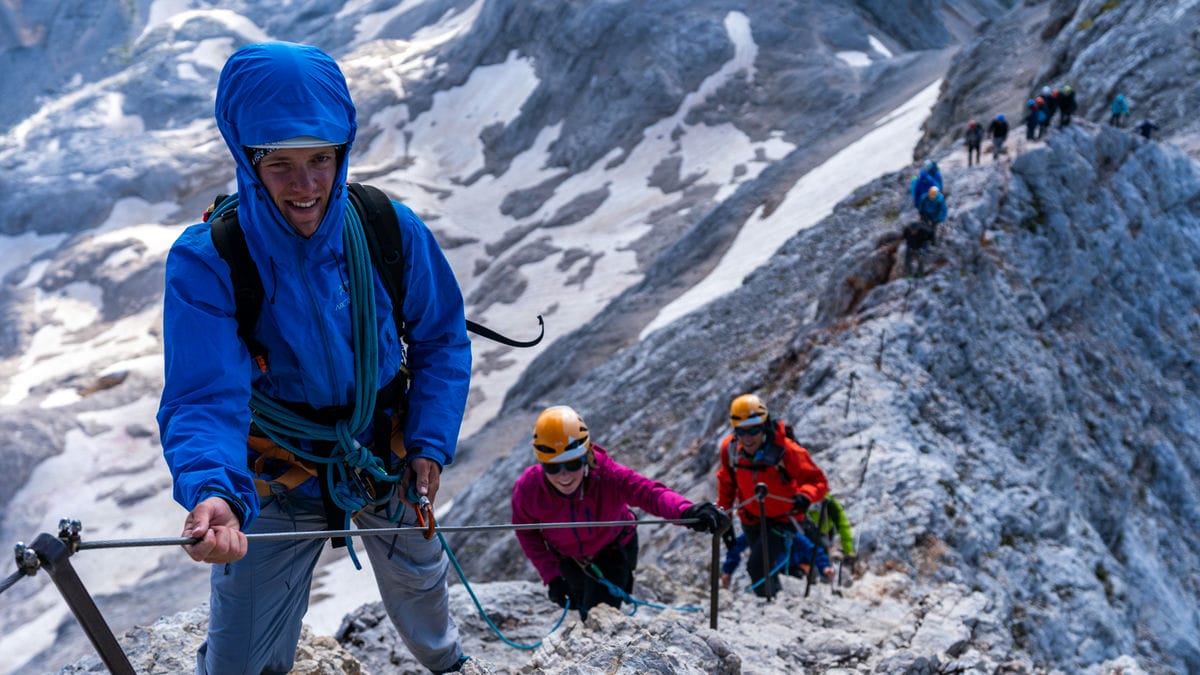
Important notice for everyone intending to climb Mount Triglav: The final hour of the ascent to Mount Triglav involves traversing a protected climbing route. If you are climbing Triglav, we strongly advise equipping yourself with a Via Ferrata set to ensure the utmost safety for you and your fellow climbers. Navigating the Slovenian Alpine Regions, especially climbing Triglav, demands precaution and preparedness. Bring your own Via Ferrata set or rent one to avoid technical difficulties.
All Mount Triglav Hiking Routes explained

Vrata Valley, Lake Bohinj, Pokljuka Plateau, Krma Valley, Zadnjica Valley, Trenta Valley? With eight different starting points and 24 unique paths leading to summit Triglav, finding a great starting point can be challenging. Seeking guidance on choosing a Mount Triglav trail suitable for your fitness level and information on where each path begins?

Dive into our comprehensive Mt. Triglav guide to explore detailed descriptions of every single Mount Triglav trail, ensuring you embark on the journey best suited for you.
What do people say about climbing the Triglav summit?

To assist you in determining whether you can undertake the Triglav via ferrata solo or if you'll need a guide, we have compiled a selection of reviews from individuals who have experienced the climb both independently and with professional guidance. These insights are gathered from TripAdvisor and are provided below for your reference. Please ensure you make an informed decision.

Andrew Logie

Absolute legends

⭐⭐⭐⭐⭐

The team at Altitude Activities are absolute legends and I couldn’t have climbed Mount Triglav without them - a hike that has been one of the highlights of my trip so far.

My hostel told me these guys were the best in the business and they delivered over and above my expectations...

Filip F

Amazing climb, Triglav in 1 day

⭐⭐⭐⭐⭐

Our guide, Klara, was able to accept our last minute booking, only two days prior to our climb. At the beginning of our trip we were unlucky regarding the weather (the forecast was unpredictable), which extended the duration of our climb. When we reached the hut before the final push

Welltravelled

Exceptional Service - Highly Recommended

⭐⭐⭐⭐⭐

My brother and I visited Bled in order to climb Mt Triglav. Altitude Adventures was extremely helpful. They advised us on the best way to get there (As it was off season this was extremely difficult), which route to take, the weather conditions at the top and anything that you could possibly need to know.

4 Best Via Ferrata Trails in Slovenia near Lake Bled

Slovenia offers a variety of Via Ferrata trails. Near the town of Bled, you can find four of the top routes in the country. These Via Ferrata trails cater to different skill levels, from beginners to advanced climbers. If you're interested in combining outdoor activities with the convenience of staying near iconic Lake Bled, these four Via Ferrata trails should be on your list.

1. Hanzova Route to Mala Mojstrovka

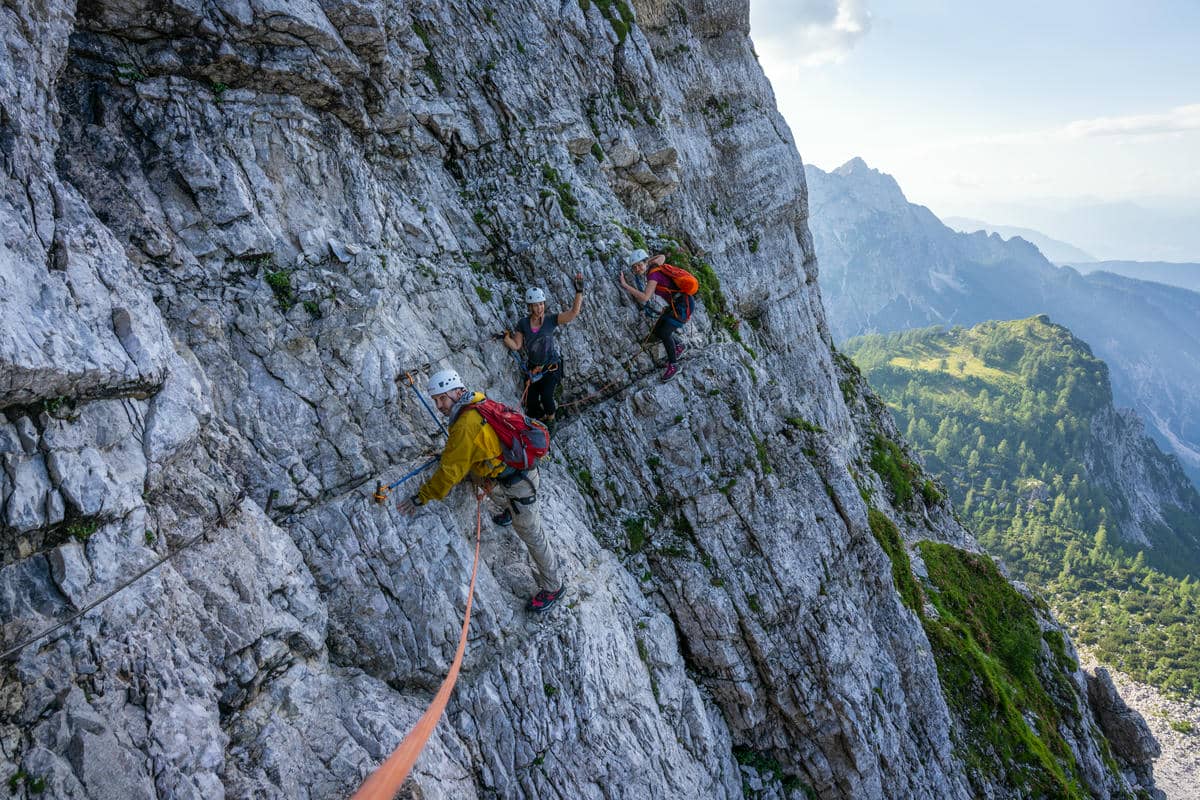
The Hanzova aka. The Historical Route was established after the First World War and before the Second World War - in 1926 - by Ivan Vertlj, known as Hanza. It is one of Slovenia's earliest protected climbing routes, offering climbers a distinct experience on Mount Mala Mojstrovka, which stands at 2332 meters. The elevation difference from the parking lot at Vršič Pass, which is at 1,611 meters, to the peak of Mala Mojstrovka, is 721 meters. Once they reach the fixed iron ropes, climbers will traverse a 500-metre climb up the north face of Mojstrovka mountain. Once at the summit, participants are treated to stunning views of the surrounding Julian Alps.

Difficulty: B/C very demanding
Location: Summit Mala Mojstrovka in the Julian Alps of Slovenia.
Parking Coordinates: 46.435522, 13.744485
Step-by-Step Guide (click here to read more)
  • Start: From the parking spot, head northwest towards the marked trailhead. The initial path is a moderately steep forested trail.
  • Route Selection: Roughly 200 meters from the start, you will reach a junction offering two distinct paths. Opt for the route leading towards Mojstrovka, which passes beneath the Northern face of Mala Mojstrovka. It is important to avoid the Slemenova špica path as it caters more to hiking enthusiasts and does not offer the via ferrata experience.
  • Climbing: As you approach the north face of Prisojnik Mountain, you'll encounter the first set of iron cables and rungs. This is where the climbing truly begins.
    Summit Views: At the peak, the Julian Alps stretch before you in all directions—a just reward for the ascent.
  • Descent: Use the southern path, which is less steep and does not require via ferrata equipment, leading back to the parking area.

Important info:

  • Spring and early summer typically mean snow on the trails, so crampons are recommended.
  • Especially in the summer, it is recommended to start early due to the possibility of storms and to ensure parking availability. If you start late, you may have to park your car lower down.
  • The Hanza Route on Mala Mojstrovka features sections without a steel cable, which can pose significant challenges for individuals with a fear of heights or those not used to exposed terrain.

2. Triglav Fairytale Route – Ferrata Grančišče near Triglav National Park

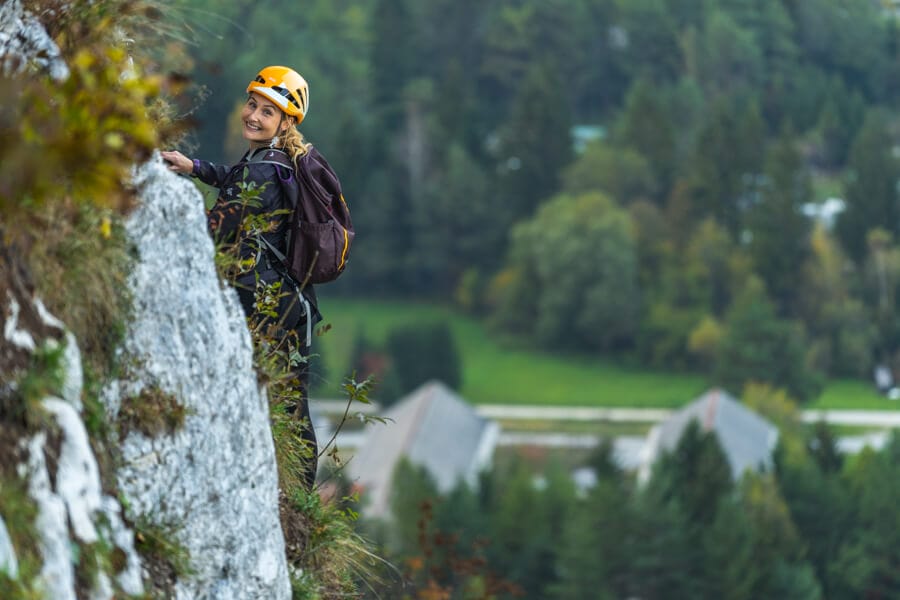
Situated in the Alpine village of Mojstrana, the Fairytale Route is a family-friendly route. Designed primarily for families and beginners, this route allows climbers to experience the allure of Via ferrata climbing in a safer, more accessible manner.

Difficulty: B - easy (family friendly) or alternatively C/D – only for experienced climbers (2 possible routes)
Location: Mojstrana near Triglav National Park
Parking Coordinates: 46.484974, 13.843563
Step-by-Step Guide (click here to read more)
  • Start: From the dedicated parking area, follow the signs pointing to the via ferrata route. The initial section is an easy walk through a forested area.
  • Climbing Segment: The via ferrata section here is mild, making it suitable for beginners. Stay attached and follow the well-maintained iron route.
  • Summit and Return: Once you've completed the loop, you can return to the parking area via a more comfortable path.

3. Mangart Via Ferrata Adventure

Mangart offers climbers a distinct experience as it stands tall at 2,679 meters. Predominantly accessible through several via ferrata routes, climbers can revel in unmatched views of the Soča Valley, the Adriatic Sea, and the broader Slovenian Alpine Region.

FIRST OPTION: Slovenian route – harder option

Difficulty: B
Location: Mangart, Slovenia's third-highest mountain, bordering Italy.
Parking Coordinates: 46.434662, 13.638915

Step-by-Step Guide (click here to read more)
  • Starting Point - Mangart Saddle: your journey at the Mangart saddle, positioning yourself to trek towards the east.
  • Trek the Panoramic Ridge: For about 30 minutes, follow the scenic ridge until you approach the intersection of the Slovenian and Italian via ferrata routes.
  • Choose the Slovenian Route: Veer onto the Slovenian trail. As you proceed, navigate the scree terrain, leading you to the Protected Climbing Route segment.
    Begin the Ascent: Start climbing on Mangart's striking vertical faces using steel cables.
  • Reach the Summit: After approximately 2 hours of climbing, you'll stand atop Mangart. Here, soak in panoramic views of the Julian Alps, the serene Soča River, and potentially, the Adriatic shoreline and Trieste's bustling port.
  • Descent via the Italian Ferrata Route: Start your descent on the Italian side via the Italian ferrata route.
  • Transition to Regular Hiking Path: Soon after the initial descent, transition to a more standard Hiking Trail. Over the next 2 hours, steadily make your way back down to your starting point at the Mangart Saddle.

SECOND OPTION: Italian route – easier option

Difficulty: A/B
Location: Mangart in Julian Alps of Slovenia, Slovenia's third highest peak
Parking Coordinates: 46.434662, 13.638915

Step-by-Step Guide (click here to read more)
  • Starting Point - Mangart Saddle: your journey at the Mangart saddle, positioning yourself to trek towards the east.
  • Trek the Panoramic Ridge: For about 30 minutes, follow the scenic ridge until you approach the intersection of the Slovenian and Italian via ferrata routes.
  • Choose the Slovenian Route: Veer onto the Italian trail.
    Begin the Ascent: Start climbing on Mangart using Via Ferrata Routes.
  • Reach the Summit: After approximately 2 hours of climbing, you'll stand atop Mangart. Here, soak in panoramic views of the Julian Alps, the serene Soča river, and potentially, the Adriatic shoreline and Trieste's bustling port.
  • Descent via the Italian Ferrata Route: Start your descent on the Italian side via the Italian ferrata route.
  • Transition to Regular Hiking Path: Soon after the initial descent, transition to a more standard Hiking Trail. Over the next 2 hours, steadily make your way back down to your starting point at the Mangart Saddle.

THIRD OPTION: Italian route starting in Italy – only for highly experienced climbers

Difficulty: C
Location: Mangart in Julian Alps of Slovenia, Slovenia's third highest peak
Parking Coordinates: 46.434662, 13.638915

Step-by-Step Guide (click here to read more)
  • Starting Point – Mangart Saddle: Begin your journey just beneath the Mangart Saddle, as the road is closed for safety due to the risk of falling rocks. Embark on a hike towards Monte Travnik, which should take about 20 – 30 minutes.
  • Trek towards Bivouac Nogara: Proceed on the Italian side of Mangart towards Bivouac Fratelli Nogara. Here, you'll need to descend approximately 100 meters, adding about 20 minutes to your hike.
  • Continue towards Via Italiana: Just before reaching Bivouac Nogara, keep to the left until you encounter the steep wall where the Via Italiana ferrata commences.
  • Begin the Ascent: Start your climb on Mangart via the Via Ferrata routes.
  • Begin the Ascent: Start climbing on Mangart using Via Ferrata Routes.
  • Reach the Summit: After approximately 1,2 - 2 hours of climbing, you'll stand atop Mangart. Here, soak in panoramic views of the Julian Alps, the serene Soča river, and potentially, the Adriatic shoreline and Trieste's bustling port.
  • Descent via the Italian Ferrata Route: Start your descent on the Italian side via the Italian ferrata route.
  • Transition to Regular Hiking Path: Soon after the initial descent, transition to a more standard Hiking Trail. Over the next 2 hours, steadily make your way back down to your starting point at the Mangart Saddle.

Important info:

  • Spring and early summer typically mean snow on the trails, so crampons are recommended. In case of snow and inadequate equipment (without an ice axe, crampons), it is advisable to turn back rather than risk the ascent of the mountain.
  • Especially in the summer, it is recommended to start early due to the possibility of storms and to ensure parking availability. If you start late, you may have to park your car a bit lower down.
  • Carry cash with you, as cards are not accepted for the ecological tax collected by Mangart Development Cooperative Ltd., which amounts to 10 euros.
  • Due to the closure of the road leading to the summit of Mangart Saddle for safety reasons related to the risk of falling rocks, travelers should account for an additional 20 to 30 minutes of walking time.

4. Ferrata Hvadnik

This route is located in the beautiful canyon near Gozd Martuljek. The village is known for its majestic views over the spectacular mountain range of Martuljek, with spiky Špik in the middle. You will climb a fixed rope route in the Hvadnik canyon, up the stream of a Hvadnik brook to the top of the canyon, where you can admire the views of the Špik mountain range.

Difficulty: B/C
Location: close to Kranjska Gora, in the Julian Alps of Slovenia
Parking Coordinates: 46.484974, 13.843563

Step-by-Step Guide (click here to read more)
  • Parking: The parking area is located next to a basketball/soccer field, with a children's playground nearby.At the Easy Park parking lot, where a parking fee is required, visitors can also download the Easy Park app.
  • Start: Continue on the road, walking to your right alongside the stream. At the first intersection, turn right, and the path will lead you to a signboard that describes the ferrata. At the small bridge where the sign is located, continue to follow the path to your right along the stream, which is a 3-5 minute walk to the first cable.
  • Gorge Entrance: Soon, the forest opens up to reveal the stunning Hvadnik gorge. Here's where the hike with steel cables begins.
  • Climbing Beside Waterfalls: The vertical walls often echo with the sounds of cascading waterfalls. As you climb, ensure you have an appropriate grip due to the damp surroundings.
  • Midway Point: There's a natural resting spot midway, with views of both the gorge's base and the heights yet to be scaled.
  • Summit and Return: Upon reaching the end of the route, a serene path will lead you back to the parking lot, offering one last chance to enjoy the gorge's beauty.

Important information:

  • Inquire about the condition of the via ferrata, whether it is well-maintained, and if the water level is high, as this can make certain sections difficult to cross and you may get wet. For information, contact the local mountain agency, Altitude Activities.
  • It is advisable to have at least Gore-Tex shoes or even waterproof pants.
FREE MAP: Via Ferrata routes in Slovenia

Hiking without mountain guides? Here is a free map of Via Ferrata routes in Slovenia.

For adventurers who prefer the independence of solo journeys, having a comprehensive map is vital. Navigate confidently using our detailed map, highlighting key paths, difficulty levels, and notable remarks.

Difficulty

Protected Climbing Routes Slovenia - Grading System Explained

Understanding the via ferrata grading system in Slovenia is essential for those planning to tackle protected climbing routes. It classifies routes based on difficulty, allowing climbers to select paths suited to their skill level.

As Slovenia doesn't have its specific grading system, the Austrian method provides a reliable standard for assessing challenges. Whether you're a novice or an expert, familiarizing yourself with this system is crucial before embarking on any hike with steel cables in regions like the Julian Alps or Triglav National Park. Ensure you're well-informed to maximize safety and enjoyment on your climb.

A/B Difficulty

A/B: These routes are relatively easy. They suit beginners and often involve simple, short climbs with abundant holds and minimal exposure. Safety lines are typically present throughout. These grades are ideal for families and those new to via ferrata.

C/D Difficulty

C/D: Routes graded C or D are more demanding. Climbers will encounter steeper sections and longer climbs. While safety equipment like iron steps or cables are usually available, there can be more significant gaps between them. Climbers should have some previous experience before attempting these grades.

E/F Difficulty

E/F: The most challenging routes fall under these grades. Climbers will face overhanging sections, very few artificial holds, and significant exposure. These grades require advanced skills, strength, and experience. They're best suited for seasoned climbers.
It's essential to note that these grades only consider the technical difficulty and not the overall physical stamina required or the length of the route. Always ensure you're well-informed and prepared for the challenges ahead, and remember, while the Austrian grading system provides an excellent guideline, individual experiences may vary. Safety should always be the top priority in the Slovenian Alps.

Weather

Weather in Slovenian Alps and Lake Bled

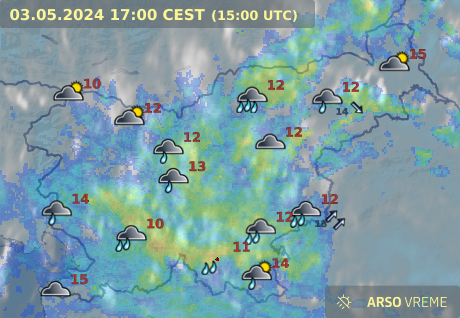
Slovenian mountains, especially the Slovenian Alps, experience an alpine climate marked by its unpredictability. Summers in the park are moderately warm, averaging 15°C to 25°C, but can be punctuated by sudden thunderstorms. During winter, temperatures often drop below freezing, creating perfect conditions for winter sports, yet this requires careful attention to safety. The transitional seasons of spring and autumn offer melting snow and colorful foliage.

Due to the swift weather changes in this mountainous terrain, visitors are encouraged to frequently check forecasts, equip themselves adequately, and remain adaptable to shifting conditions.

Safety

Climbing Safety in Slovenia

Ensuring safety during your alpine adventures in Slovenia is paramount. Let's get into the crucial aspects of Via Ferrata safety and provide essential hiking and climbing tips for a secure experience.

Via Ferrata Safety

Engaging in a hike with steel cables demands specialized equipment tailored to handle the unique challenges these routes present.

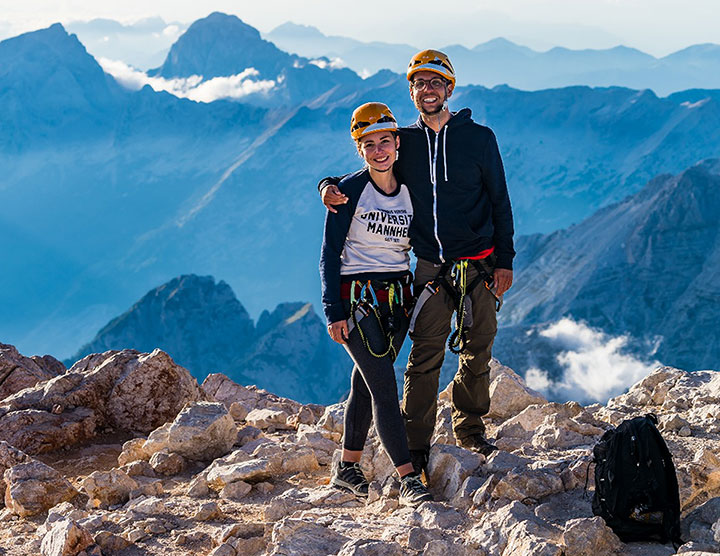
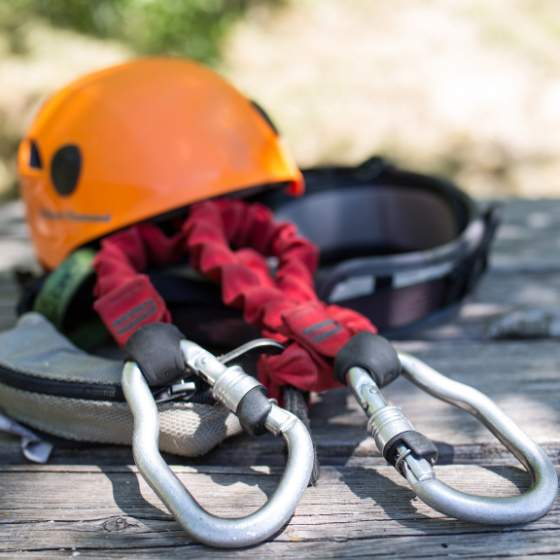
  • Essential Gear: Your safety toolkit should comprise a Via Ferrata harness, helmet, and a shock-absorbing lanyard. This trio is designed to offer robust protection, particularly during unexpected slips or falls.
  • Equipment Check: Regularly inspect your equipment. Check for signs of wear, damage, or any compromise in their integrity. The longevity of safety gear can vary, so always ensure they meet safety standards before each use.

Hiking and Climbing Tips

Whether crossing the vertical drops, climbing Triglav, or just hiking to the Seven Lakes of Triglav, some general guidelines apply.

  • Research is Key: Equip yourself with knowledge. Understand the intricacies of the trail or climb you're targeting and watch the weather updates specific to your chosen location.
  • Adhere to Paths: Slovenia's hiking and climbing paths are designed for optimum safety and environmental protection. Stay on them to avoid potential hazards like falling rocks and to protect the region's biodiversity.
    Group Dynamics: If possible, don't go solo. Having a climbing partner or being part of a group not only enhances the experience but also provides an additional layer of safety.
  • Environment Stewardship: The Slovenian mountains are a treasure. Ensure you leave no trace, pack out what you pack in, and avoid disrupting the natural habitats.

Via Ferrata Equipment Checklist

  • Via Ferrata Set: Essential for any Via Ferrata route, this set typically includes a harness, shock-absorbing lanyard, and a climbing helmet.

  • Proper Footwear: A pair of sturdy hiking or approach shoes with good grip are crucial. For longer or more technical routes, climbing boots might be recommended.

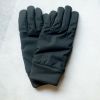
  • Gloves: Lightweight, full-fingered gloves can prevent blisters and offer protection against metal cables.

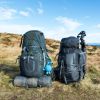
  • Backpack: A small to medium-sized backpack to carry essentials. Ensure it's comfortable and doesn't hinder your mobility.

  • Water and Snacks: Staying hydrated is critical. Energy-rich snacks like nuts, energy bars, or dried fruits can be helpful on longer routes.

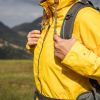
  • Weather-appropriate clothing: The Julian Alps can be chilly, even in summer. Wear moisture-wicking, layered clothing, and consider bringing a lightweight waterproof jacket.

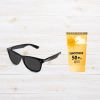
  • Sunglasses and Sunscreen: The glare from the sun, especially at higher altitudes, can be intense. Protect your eyes and skin.

  • First Aid Kit: Basics like plasters, antiseptic wipes, blister treatment, and pain relievers. Some also include emergency whistles or thermal blankets.

  • Map and Compass/GPS: Even if the route is marked, it's always good practice to carry a map of the area. A compass or GPS can help with navigation.

  • Headlamp: If there's any chance you'll be out after dark or if the route includes tunnels or shaded areas.

Plan Your Trip

Rent via ferrata set in Bled

Given the popularity of Via Ferrata routes in Slovenia, especially near attractions like the iconic Bled Lake, it's highly recommended to reserve your Via Ferrata set in advance.

By doing so, not only do you guarantee the availability of high-quality gear, but you also ensure a smooth start to your climbing day, free from the hassle of last-minute preparations.
Download offline Julian Alps map

When planning a hike in the Julian Alps, it's crucial to have reliable navigation tools. There may be areas, such as those around Triglav, where signal coverage is sparse or non-existent. To ensure safety and prevent getting lost, it is highly recommended to download offline maps onto your device before your journey. The Outdooractive app is a useful companion, offering detailed maps, regardless of cellular connectivity.
Guided Mountain Tours Slovenia

Hire a professional local guide

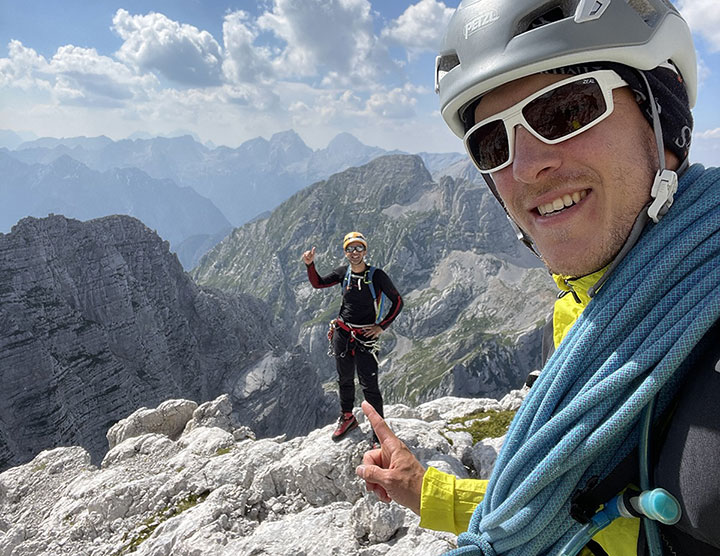
Navigating Slovenian mountains can be difficult for inexperienced climbers. With a professional local guide, the journey becomes not only safer but also more insightful.

Daily guided tours are available to the four best Via Ferrata routes near Bled, offering a blend of thrill and scenic beauty. If you prefer a personalized experience, hiring a guide for a private guiding tour is also an option. Hire a professional local guide through our partners at Altitude Activities.

Book Best guides for Slovenia mountain tours

When considering climbing in the Alps, the importance of selecting the best guides for Slovenia mountain tours cannot be overstated.

Our guides possess in-depth familiarity with the paths; they undertake extensive training in safety protocols, rescue procedures, and mountain conditions.

Whether you opt for a group tour or a private session, their guidance will significantly elevate your alpine adventure.

8 reasons why outdoor activities and adventure tourism is flourishing in Slovenia

The Slovenian Alps stand out as a jewel for adventure seekers. But what makes outdoor activities and adventure tourism so popular in this gem of a country? Here are some intriguing facts and insights:

  • 1. Majestic Peaks: Slovenia is home to the mighty eastern Alps called the Julian Alps, with the national symbol - Triglav mountain standing tall at 2,864 meters.

  • 2. 179 Great Mountain huts: The Mountaineering Association of Slovenia is one of the largest organizations in the country and manages 179 mountain huts, shelters, and bivouacs located across various Slovenian mountains, including the Julian Alps, Kamnik-Savinjska Alps, Karavanke, and other regions. You will feel welcome in each mountain hut.

  • 3. Green Alpine world: Over 60% of Slovenia's territory is covered in forests, making it one of the greenest countries in the world. Especially Triglav National Park offers countless Hiking Trails overviewing beautiful lakes.

  • 4. One National Park & countless climbing spots: The famed Triglav National Park spans 880 square kilometers, while 40 regional parks dot the country. These protected areas, as well as the Karavanke Mountain Range, offer countless climbing routes.

  • 5. Over 10,000 Karst Caves: Slovenia boasts a unique karst landscape with over 10,000 registered caves. The Postojna Cave and Škocjan Caves, a UNESCO World Heritage site, offer visitors a glimpse into an underground world of wonders.

  • 6. Rich Flora and Fauna: The Slovenian mountain world, along with all the eastern Alps, is home to many species, making hikes and treks a journey of discovery.

  • 7. More than 70 fixed rope routes: Via Ferrata holds a special significance in Slovenia, providing enthusiasts with more than 70 fixed rope routes.

  • 8. Whether you're looking to traverse Protected Climbing Routes in Slovenia, Hiking in Triglav National Park, or seeking the thrill of Alpine Climbing, Slovenia is the best place for an adventure traveller.

Ready to embark on the pinnacle of Alpine Adventure in Slovenia? Book your ultimate Via Ferrata Slovenia tour now!

Slovenia offers unparalleled Mountaineering opportunities for adventurers of all calibers. From the well-marked Hiking trails that cater to casual walkers and trekkers to the thrilling Via Ferrata paths designed for those craving vertical challenges, there's something for everyone. And for those aiming even higher, Alpine Climbing in Slovenia provides rigorous terrains set amidst breathtaking landscapes.

As you plan your next adventure, consider the diverse and rewarding climbing options Slovenia has in store.

Frequently Asked Questions (FAQ)

1. What is Via Ferrata?

Answer: Via Ferrata refers to protected climbing routes in the mountains. They are equipped with fixed cables, ladders, and bridges, enabling those without traditional rock climbing experience to navigate challenging terrains safely. It's a popular activity in Europe, particularly in countries like Slovenia, with numerous beautiful paths.

2. Is via ferrata hard for beginners?

Answer: The difficulty of via ferrata varies. Some paths are explicitly designed for beginners, offering a less challenging yet exhilarating experience. Always research the grading system to select a path that matches your experience level. Some via ferratas, especially mountain ones like the Hanz Route on Mala Mojstrovka, have sections where there is no steel cable. Therefore, they can be quite challenging for someone who has a fear of heights or is not accustomed to exposure.

3. How dangerous is via ferrata? What precautions should I take?

Answer: While via ferrata is equipped for safety, it's essential to understand that, like any mountain activity, there's an inherent risk. It's crucial to use proper via ferrata equipment, stay aware of weather conditions (avoid doing via ferrata in the rain), and consider hiring a guide if you're unfamiliar with the route or are a beginner.

4. Can you do via ferrata in the rain?

Answer: It's not advisable to do via ferrata in the rain as wet conditions can make the rock slippery, increasing the risk. Always check the weather forecast and be prepared to change plans for safety.

5. What does via ferrata mean in English?

Answer: "Via Ferrata" is an Italian term that translates to "iron path" in English. It describes mountain routes equipped with fixed cables, ladders, and other elements to aid in climbing.

6. Can I go on a via ferrata without a guide?

Answer: Yes, it's possible to do a via ferrata without a guide, especially if you have prior experience. However, if you're unfamiliar with the route or the conditions, hiring a guide can offer additional safety and knowledge, making the experience more enjoyable.

7. Where can I find a via ferrata Slovenia map? Is there an app with all the routes?

Answer: You can find the Via Ferrata Slovenia map here. There is no app where all Slovenian routes are described. To inquire about personalized via ferrata tours or to obtain information only, please reach out to This email address is being protected from spambots. You need JavaScript enabled to view it.

8. Is there a fee required to use the via ferratas in Slovenia?

Answer: No, except for parking and ecological taxes like the one at Mangart.

9. How to via ferrata? What equipment do I need?

Answer: To do a via ferrata, you'll need specific equipment like a via ferrata set (which includes a climbing harness, climbing helmet, and a lanyard with energy absorber), gloves, appropriate footwear, and clothes, perhaps even gloves. It's crucial to ensure all equipment is in good condition and used correctly. Find via ferrata equipment checklist here.

10. How does the Via Ferrata grading system work?

Answer: The grading system for via ferrata ranges from A (easiest) to E (most difficult). It considers the technical difficulty and physical demands of the route. Always choose a route that matches your skill and fitness level.

11. Are there family-friendly Via Ferrata in Slovenia?

Answer: Absolutely! Slovenia offers several family-friendly Via Ferrata routes, such as the Mojstrana Fairytale route (Ferrata Grančišče). These are designed to be less challenging while still providing the thrill of alpine climbing.

12. Does Mount Triglav have snow coverage?

Answer: Certainly, Mount Triglav is often cloaked in snow, not just throughout the winter but occasionally even in summer months. CAUTION: Always seek current climbing conditions before attempting to summit Mount Triglav, as they can be perilous. For reliable, local updates, contact the Altitude Activities agency based in Bled's town center.

13. Does climbing Mount Triglav involve ice climbing?

Answer: Ice climbing is not a typical requirement for ascending Mount Triglav. However, winter expeditions can present severe conditions, including substantial snowfall.

14. Why does the Slovenian flag feature Mount Triglav?

Answer: Mount Triglav stands as a towering emblem of Slovenian identity, surpassing its status as the nation's tallest mountain to feature on the Slovenian flag and coat of arms. The triadic peak, whose name signifies 'three-headed', represents an essential aspect of Slovenian heritage. Climbing Triglav is deeply embedded in the national psyche, often regarded as a rite of passage to affirm one's Slovenian heritage.

15. Is there a cable car service to the summit of Mount Triglav?

Answer: No cable car service leads to the peak of Mount Triglav.